
How to Choose the Right Expert for Driveway Installation in the UK
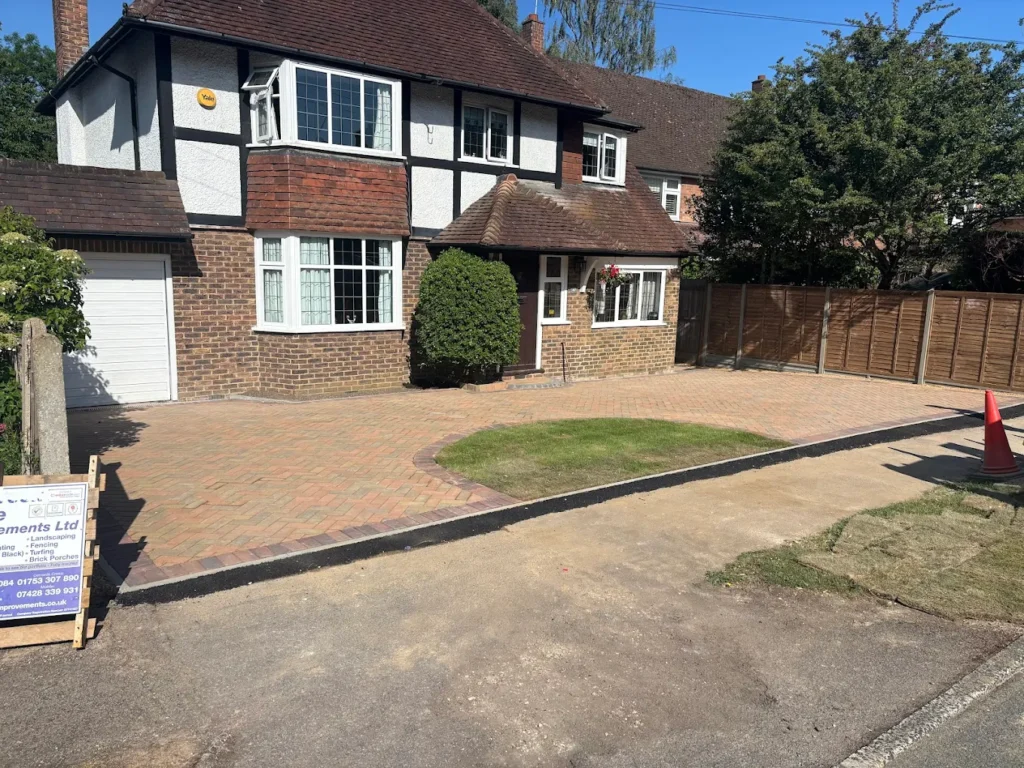
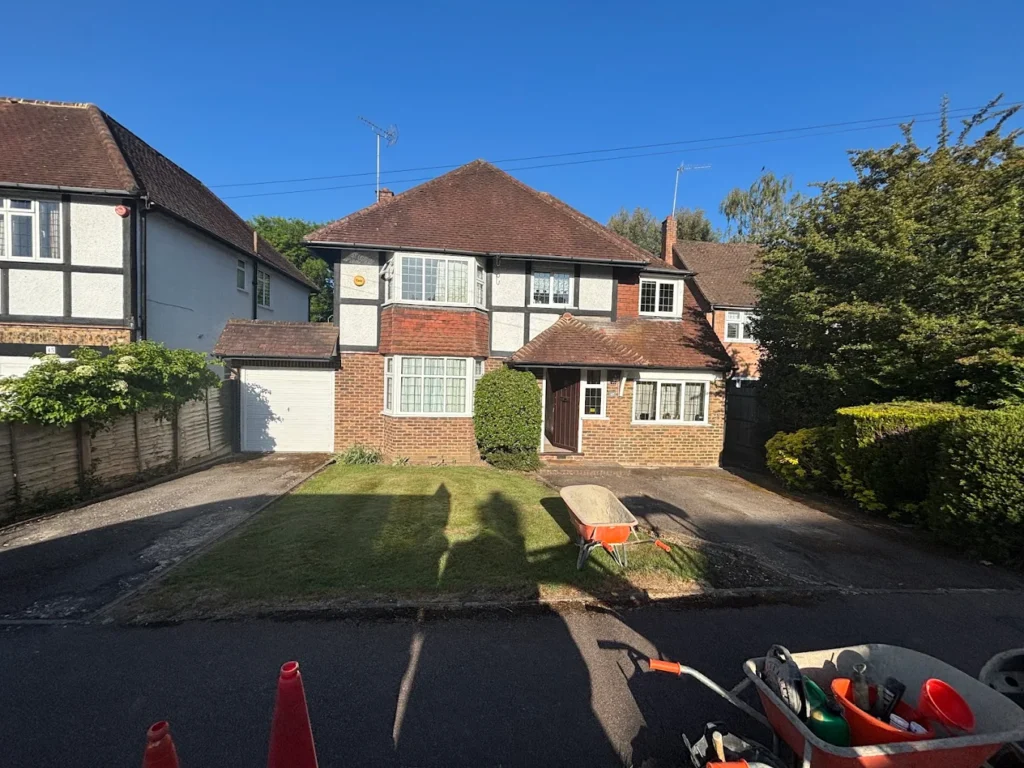
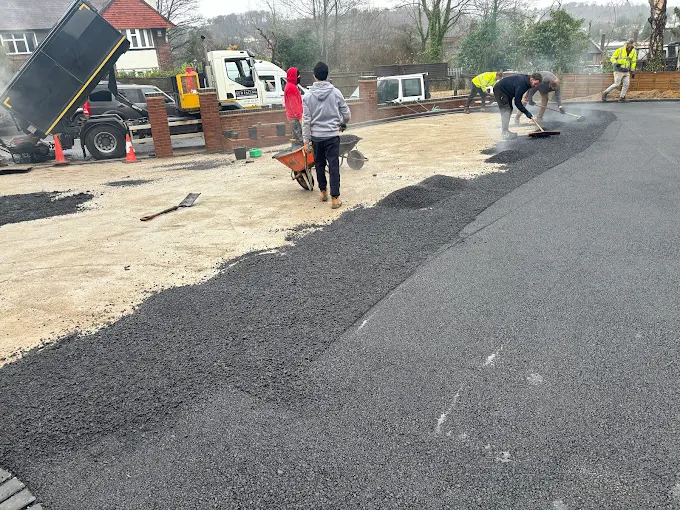
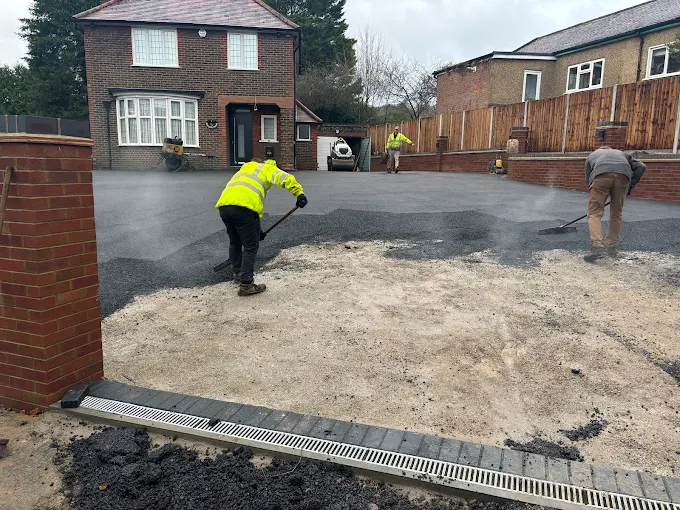
Looking for an Expert Driveway Installation in the UK? Ladbrook Home Improvements shares expert tips on materials, costs, and quality. A beautiful, well-laid driveway does more than look good — it protects your home, manages rainwater, and adds real kerb appeal and value. Finding the right Expert Driveway Installation in the UK can make the difference between a driveway that lasts decades and one that needs constant patching. This guide walks you through what to look for, what to ask, and how to compare installers — with practical branding notes from Ladbrook Home Improvements so you can see how a reputable local company presents itself. Why Choosing An Expert Matters A driveway is a structural assembly, not just a surface. Good installation addresses: Sub-base excavation and compaction so the surface doesn’t sink or crack. Edge restraints and kerbing to stop lateral movement. Correct falls and drainage so water doesn’t collect near foundations. Materials and laying techniques suited to expected load (cars, vans, delivery vehicles). Picking an experienced Expert Driveway Installation in the UK means fewer surprises, a longer-lasting finish, and clear aftercare and guarantees — elements many reputable local companies highlight in their listings. Quick Snapshot: What Ladbrook Home Improvements Offers Ladbrook Home Improvements is a locally based driveway and landscaping specialist covering parts of West/North London, Buckinghamshire, Hertfordshire and Berkshire. Their usual services include block paving, resin bound, tarmac, patios, garden walls and landscaping, and they often advertise a multi-year guarantee on paved works. If you’re searching for a local expert, companies with a focused driveway portfolio like Ladbrook are the kind to shortlist. What to Look for in an Expert Driveway Installation in the UK 1. Demonstrable experience with your chosen material Driveways are commonly installed using block paving, tarmac, resin bound/ resin bonded systems, gravel, or permeable paving. Each material needs a different approach: Block paving: requires proper bed and jointing sand, setting courses and correct compaction. Tarmac (asphalt): needs a stable, compacted base and hot-laid application. Resin bound: needs precise mixing, correct stone sizing and UV-stable resins with good curing conditions. Permeable systems: need a designed sub-base and soakaway strategy to meet planning or Sustainable Drainage System (SuDS) rules. An installer who regularly shares recent photos and case studies for the exact material you want is more reliable than one giving generic claims. 2. Local knowledge and operating area Soil, frost depth and council planning rules vary across the UK. Local installers understand regional quirks — for example, when you’re in Buckinghamshire or Hertfordshire, installers who operate there will know common soakaway requirements and dropped-kerb procedures. Check the installer’s service area and examples of nearby jobs. 3. Written, itemised quotations A good quote is not just a lump sum. It itemises: Removal and disposal of the old surface (and whether they recycle). Sub-base depth and material (Type 1 MOT or equivalent for most installations). Edge restraints and kerbing details. Drainage solutions (soakaways, channel drains, or discharge details). Exact surface material and supplier/product codes. Start and finish dates, and payment schedule. Compare quotes line-by-line to avoid surprising extras later. 4. Guarantees, insurance and credentials Always ask for: Public liability insurance (commonly £5m+ recommended). A written workmanship guarantee (many reputable driveway contractors provide multi-year guarantees on paving). Evidence of company registration (Companies House) and trade platform profiles (Checkatrade, TrustATrader, MyBuilder) for independent reviews. These are strong signals that the installer is professional and accountable. 5. Aftercare and maintenance advice A reputable expert explains how to maintain the surface, how soon you can drive on it, and whether periodic sealing or weed control will be needed. They should also offer a snagging period after completion to fix any minor issues. Practical Checklist To Vet Installers Use this checklist when comparing potential Expert Driveway Installation in the UK candidates: Company & contact verification Company name and registration number (check Companies House). Local address and landline (helps prove they are established locally). Technical & safety checks Written specification for sub-base and edge restraints. Drainage plan and water disposal method. Evidence of waste removal and recycling (if important to you). Public liability and employer’s liability insurance details. Quality & reputation Portfolio of recent, local projects (photos). Third-party reviews and references (Checkatrade, TrustATrader, MyBuilder). Commercials Itemised quote with payment schedule — avoid very large upfront cash deposits. Written guarantee and timescales for completion. Questions To Ask Every Installer (Use These Verbatim) What sub-base are you proposing (material and depth), and why is that suitable for my site? How will surface water be managed — soakaway, channel drain, or tied into existing drains? Which materials and suppliers will you use (brand/product codes)? How long will the work take and what is the payment schedule? Do you carry public liability and employer’s liability insurance — can I see certificates? Do you provide a written guarantee and what does it cover? Can you share recent local examples and customer references I can contact? These questions reveal technical competence and transparency — two musts for hiring an expert. Common Driveway Materials And Buyer Considerations Block paving Pros: attractive, easy to repair, wide range of colours and patterns. What the expert should explain: correct bedding and jointing, edge restraints, and potential need for sealing. Resin bound / resin bonded Pros: modern look, smooth finish, porous (if specified). What the expert should explain: resin type, stone size, cure times, UV resistance and whether the finish is permeable. Tarmac (asphalt) Pros: durable, seamless and cost-effective for larger areas. What the expert should explain: proper base, compaction and expected lifespan. Gravel / shingle Pros: fast and cheaper to lay; offers more natural look. What the expert should explain: edging methods to stop migration, weed control, and depth of stone. Permeable paving (SuDS-compliant) Pros: helps with surface water and often needed to meet planning rules for larger projects. What the expert should explain: sub-base design, soakaway sizing and whether it satisfies local council rules. How Much Will It Cost? Budget Expectations (UK) Pricing depends on material, site prep, access and local labour rates. Broad guidance (indicative only): Gravel: lower cost per m² but may need maintenance. Block paving: mid-range; decorative patterns and premium blocks increase cost. Resin bound: mid